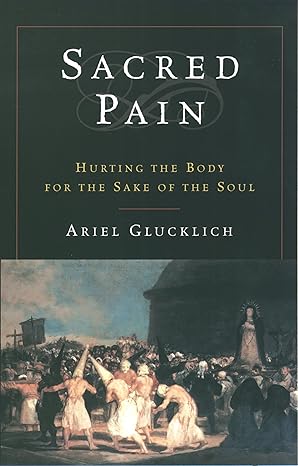
Sacred Pain: Hurting the Body for the Sake of the Soul by Ariel Glucklich argues that intentional bodily suffering has been a vital, transformative element in religious life rather than mere pathology. Blending historical survey with neuroscience and psychology, Glucklich first maps out how diverse faiths—from medieval Christian flagellants to Hindu tapas?vis—use pain as a rites-of-passage, a test of devotion, or a means of spiritual purification. He then explores modern pain theory, showing how controlled discomfort can trigger endorphin release, altered states of consciousness, and a diminished sense of self—opening pathways to mystical insight. By comparing “juridical,” “medical,” and “military” models of sacred suffering, he reveals pain’s capacity to reinforce communal bonds, reshape identity, and foster transcendence. Finally, Glucklich laments contemporary anesthesia’s eclipse of “good pain,” suggesting that our cultural repudiation of all suffering has robbed us of a profound avenue for healing, self-knowledge, and connection with the sacred.

